







How to Have a Good Sleep for Health and Happiness
We all know the magic of a good night’s sleep. Waking up refreshed, energised, and ready to tackle the day feels like a superpower. But for many of us, that ideal slumber remains elusive, replaced by tossing and turning, grogginess, and the frustration of lost productivity. The good news is, good sleep isn’t just a luxury, it’s a necessity for a healthy life, and it’s more within reach than you might think. A good sleep for health requires various factors, and understanding these keys is the first step to improve your sleep.
Diet and exercise are the cornerstones of health, but neglecting the third pillar, good sleep, leaves your well-being teetering on an unstable foundation. Poor sleep wreaks havoc on our physical and mental state, impacting everything from immunity and metabolism to mood and cognitive function. So, how do we cultivate this precious state of slumber? Let’s dive into how to have good sleep and how to improve sleep:


Skip the Caffeine & Alcohol Nightcaps Before Bed..
First, skip the caffeine and alcohol nightcaps before bed. Chocolate, despite its cozy reputation, harbours sleep-disrupting caffeine. Alcohol, while inducing drowsiness, actually fragments your sleep cycle, leaving you feeling depleted in the morning. Instead, let melatonin, the natural sleep hormone, take the stage. Ditch the nightcaps and opt for calming routines like warm baths or gentle stretches.


Get Some Exercise
Next, get some exercise. Exercise is a sleep superfood, boosting melatonin production and paving the way for restful nights. But remember, timing is key. Avoid late-night workouts, as the epinephrine and adrenaline-pumping act can keep you wide awake. Embrace the morning sun and schedule your exercise for earlier in the day, letting sunshine reset your natural sleep-wake rhythm.


Listen to Your Body
Listen to your body. Restless legs tapping? Loud snores? Acid reflux? These could be signs of common sleep-wreckers like restless legs syndrome, sleep apnea, or GERD. Don’t let these silent saboteurs steal your sleep health. If these issues persist, talk to your doctor – they can help you restore restful slumber.


Design the Perfect Sleep Sanctuary
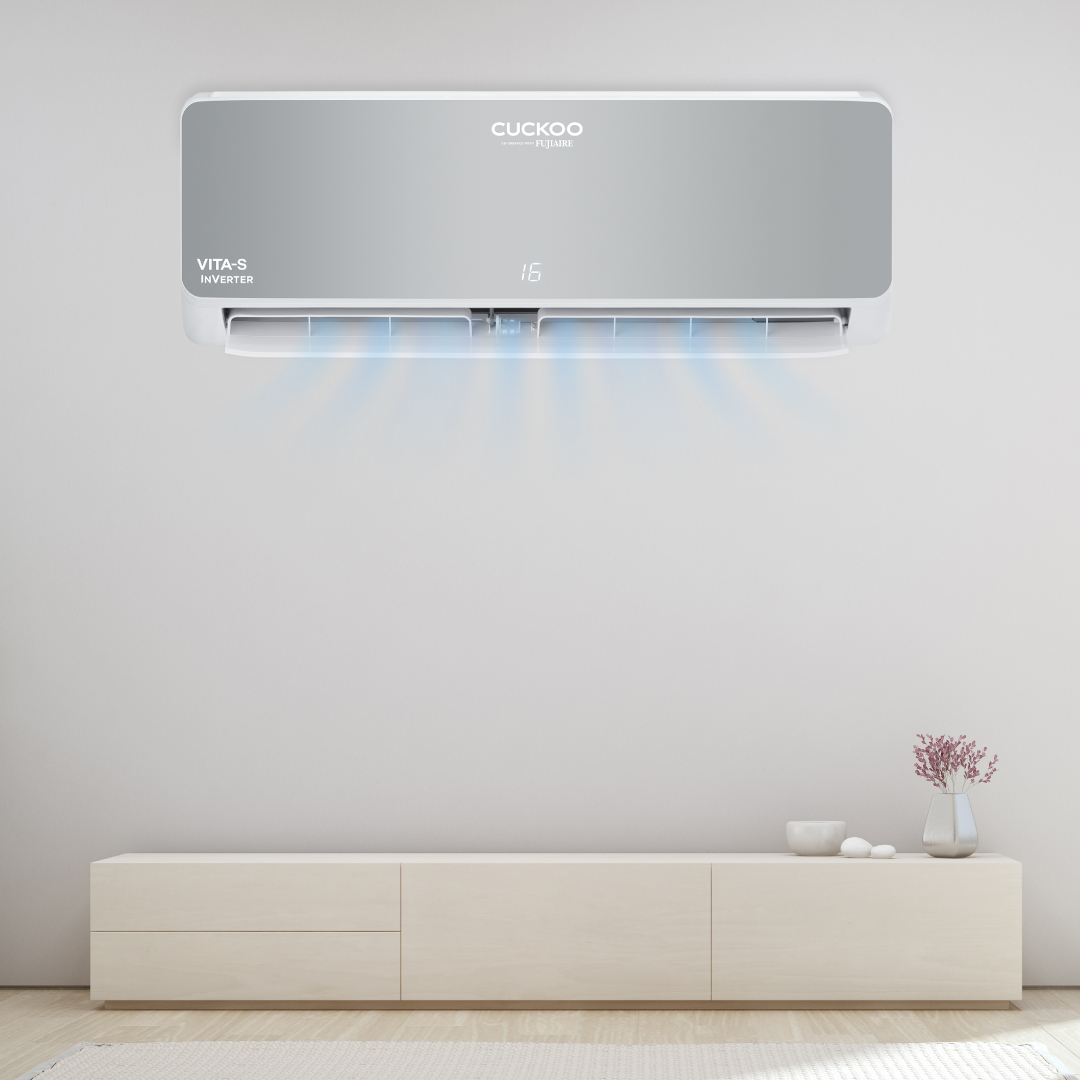
Now, design the perfect sleep sanctuary. Your bedroom is an important place for your nightly slumber. Temperature, noise, and light are the crucial elements. Aim for a cool, dark, and quiet environment. Banish harsh, pre-bedtime screen light, and consider blackout curtains or noise-cancelling earplugs for truly restorative darkness and silence. A restful environment is essential for what makes a good sleep.


Upgrading Your Sleep Gear
Finally, don’t underestimate the power of upgrading your sleep gear. A worn-out mattress can be a cause aches and pains, sabotaging your sleep quality. Investing in a good mattress, like the CUCKOO S-LITE SERIES Mattress, can be transformative. Its innovative features, like VitalShield Tech for improved blood circulation and Dusticbac-Free Tech for dust mite and static prevention, create a haven for deep, rejuvenating sleep. With CUCKOO GOODPLAN™, owning this sleep-enhancing masterpiece is more accessible than ever, starting at just RM99/month. Remember, good sleep for health is an investment in your well-being, and a comfortable, supportive mattress is a conductor worth having.
Achieving good sleep for health is not a solo performance. It’s about understanding the interplay of internal and external factors, making informed choices, and creating the perfect sleep environment. With the right knowledge and tools, like the CUCKOO S-LITE SERIES Mattress, you can transform your sleep from a discordant struggle into a beautiful symphony of health and happiness. So, tonight, dim the lights, quiet the noise, and rest in a world of restorative slumber.


