









What Is a Turntable-Free Microwave Oven? Everything You Need To Know
As kitchen appliances continue to evolve, consumers are no longer evaluating microwave ovens based solely on price or basic heating functions. While features such as inverter technology, auto-cook menus, and energy ratings often attract attention, microwave design plays an equally critical role in determining everyday usability, durability, and cooking flexibility. One design innovation that has gained increasing attention is the microwave without a turntable, also known as a microwave oven without a rotating plate.
Traditional microwave ovens rely on a rotating glass plate to distribute heat evenly. However, this design can limit usable interior space, restrict cookware size, and introduce maintenance concerns over time. In contrast, a microwave oven without a turntable eliminates the rotating plate entirely, replacing it with advanced heating distribution technology to achieve even cooking without mechanical movement.
By optimising how microwave energy is dispersed and reflected within the cooking cavity, modern turntable-free designs are able to deliver consistent heating results without requiring physical food rotation. This approach improves interior space usability, reduces reliance on wear-prone moving components, and enhances long-term reliability. For many households, particularly urban homes and apartments where space efficiency and ease of maintenance are priorities, the shift toward a non-turntable microwave represents a practical and future-ready upgrade.
By understanding how turntable-free microwaves work, how they differ from conventional models, and what factors to consider before purchasing, consumers can make a more informed decision that aligns with both lifestyle needs and kitchen constraints.
What Is a Turntable-Free Microwave?
A turntable-free microwave is a microwave oven that operates without a rotating glass tray. Instead of physically moving the food during heating, it relies on advanced microwave distribution systems to ensure heat is spread evenly throughout the cooking cavity.
This type of microwave typically features:
- A flat cooking surface that maximises usable interior space
- No rotating components, reducing mechanical wear and maintenance
- Advanced wave-stirring or flatbed heating technology for consistent heat distribution
The result is a microwave that can easily accommodate larger, wider, or irregularly shaped dishes, offering greater flexibility and convenience compared to traditional turntable-based microwave ovens.
How Turntable-Free Microwaves Work
Turntable-free microwaves achieve even heating without rotating the food by using intelligent microwave energy control and distribution systems. The key supporting technologies include:
Advanced Microwave Energy Distribution
Microwave energy is dispersed across multiple angles within the cooking cavity rather than being concentrated in a single fixed direction. This multi-directional distribution helps minimise hot and cold spots during cooking, allowing heat to reach different areas of the food more evenly. As a result, the food remains stationary throughout the heating process while still receiving consistent and balanced exposure to microwave energy.
Wave Stirrer Technology
Wave stirrer technology continuously redirects microwave energy within the cooking chamber, creating a dynamic energy flow that replaces the need for physical food rotation. By constantly changing the direction of microwave energy, this system improves heating uniformity and reduces uneven cooking. It is particularly effective when heating larger portions or irregularly shaped dishes that may not cook evenly in conventional turntable microwaves.
Flatbed Heating Design
Flatbed heating designs use specially engineered reflective surfaces beneath the cooking base to distribute microwave energy evenly across the entire interior floor. This allows the microwave to maintain consistent heating while providing a fully flat cooking surface. The absence of a turntable enhances interior space utilisation and makes it easier to place a wider variety of cookware inside the microwave oven.
Inverter-Based Power Control
Inverter-based power control delivers continuous and precise microwave energy rather than cycling between high and low power levels. This enables smoother heating, more accurate defrosting, and better control over cooking intensity. By maintaining a steady energy output, inverter technology helps preserve food texture and reduces the risk of overcooking or uneven heating.
By combining these technologies, turntable-free microwaves deliver reliable and even cooking performance while offering greater interior flexibility, quieter operation, and improved long-term durability compared to conventional turntable-based microwave ovens.
Key Differences between Turntable-Free Microwaves vs Conventional Microwaves
Understanding the differences between these two microwave oven designs can help you make a more informed and practical purchase decision based on your cooking habits and kitchen needs.
| Feature |
Turntable-Free Microwaves
|
Conventional Microwaves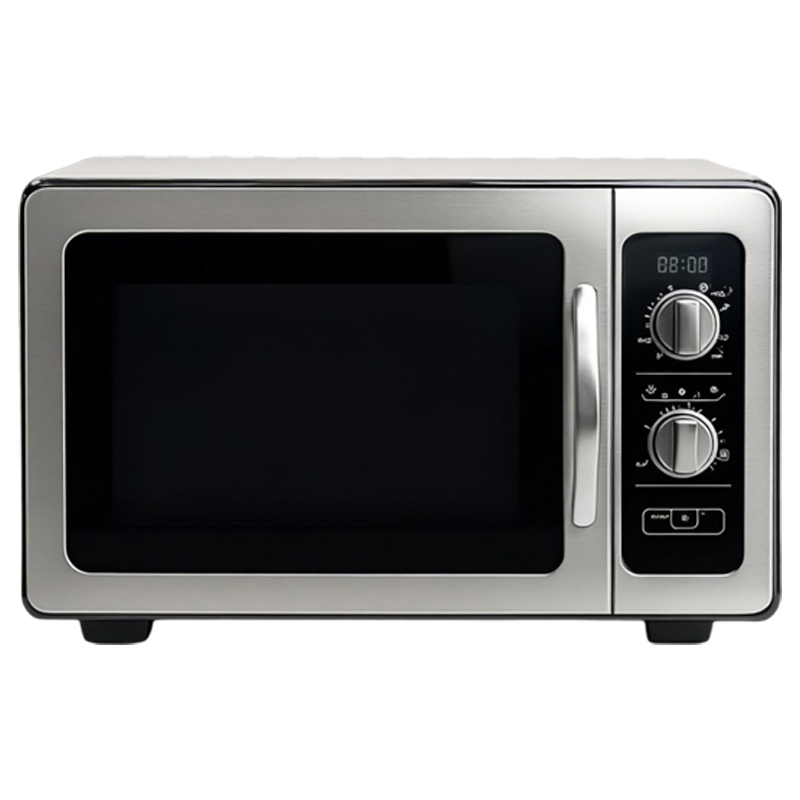 |
| Interior Space Utilisation | Flat interior base maximises usable cooking space and easily accommodates larger, rectangular, or irregularly shaped dishes. | Requires space for a rotating glass turntable, which can limit usable area and restrict cookware size or shape. |
| Heating Method |
Uses advanced heat distribution technologies to cook food evenly while remaining stationary. | Relies on rotating food to expose different areas to microwave energy for even heating. |
| Maintenance and Durability | No rotating components, resulting in easier cleaning, fewer mechanical failure points, and improved long-term reliability. | A glass turntable may crack, slip, or become misaligned and requires additional components to clean. |
| Noise Level | Quieter operation due to minimal mechanical movement. | May produce additional noise from the turntable motor during operation. |
| Cooking Flexibility | Greater flexibility for everyday cooking and meal preparation due to unrestricted interior space. | Best suited for standard plates and containers that fit comfortably on the turntable. |
| Overall User Experience | Modern, low-maintenance, and designed for contemporary cooking habits. | Functional for basic reheating tasks but less flexible in design. |
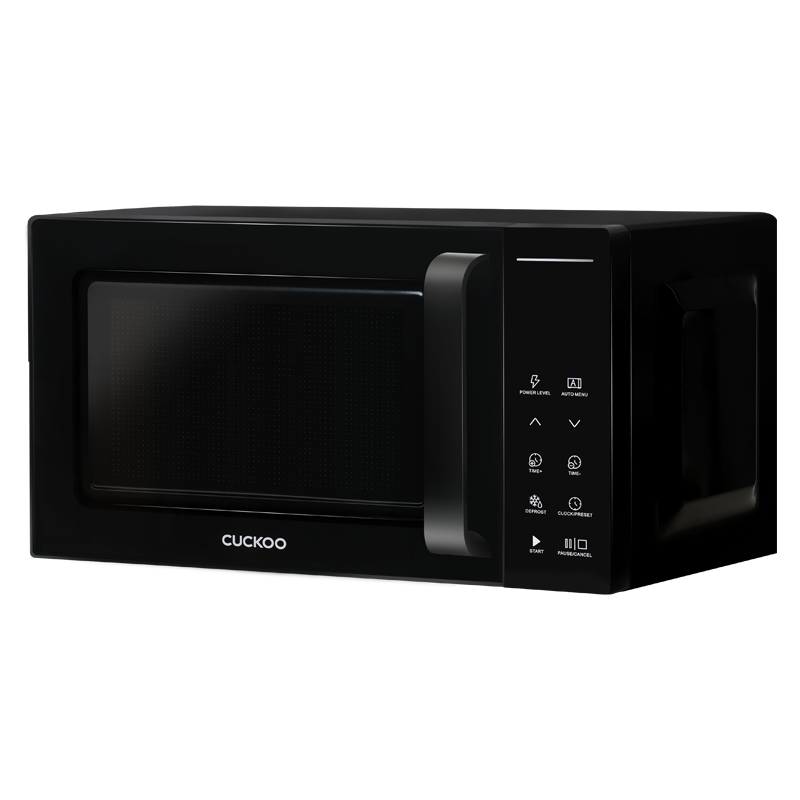
Overall, while conventional microwaves remain suitable for basic reheating tasks, turntable-free microwaves offer a more modern, flexible, and low-maintenance alternative. By focusing on intelligent heat distribution rather than physical movement, turntable-free designs better support contemporary cooking habits and evolving kitchen needs.
Benefits of a Turntable-Free Microwave
A turntable-free microwave offers several practical advantages that make it an appealing choice for modern households. By eliminating the rotating glass plate and relying on advanced heat distribution technology, this design enhances usability, efficiency, and long-term reliability, addressing many common limitations of conventional microwave ovens.
1. More Usable Cooking Space
A turntable-free microwave maximises usable cooking space by removing the rotating plate, allowing larger, rectangular, or irregularly shaped cookware to fit more easily. Despite its compact design, the CUCKOO 20L FlatX Microwave Oven offers a practical 20-litre capacity, making efficient use of interior space for everyday cooking and reheating.
2. Easier Cleaning and Maintenance
Without a turntable or supporting ring to remove, cleaning is significantly simpler. Spills remain on a flat surface rather than seeping beneath rotating components, reducing maintenance effort and helping maintain better hygiene over time.
3. Improved Durability and Reliability
By eliminating moving parts such as the glass turntable and motor, turntable-free microwaves reduce mechanical wear. This results in improved durability, fewer potential points of failure, and more reliable long-term performance.
4. Greater Cooking Flexibility
With food remaining stationary, users can heat multiple dishes simultaneously or use cookware that may not fit comfortably on a rotating plate. This flexibility is further enhanced by five auto cooking menu options which allow for easy one-touch cooking by automatically adjusting power levels and cooking time for consistent and reliable results.
4. Consistent and Efficient Heating Performance
Turntable-free microwaves deliver consistent and efficient heating by evenly distributing microwave energy throughout the cooking cavity, reducing hot and cold spots. Technologies such as 3D Heating in the CUCKOO 20L FlatX Microwave Oven ensure heat reaches food from multiple angles, resulting in more evenly cooked dishes with better texture and flavour.
Potential Drawbacks to Consider
While turntable-free microwaves offer many practical advantages, there are a few considerations to keep in mind before making a purchase.
1. Higher Initial Cost
Turntable-free microwaves may be priced slightly higher than conventional models due to the use of advanced heat distribution and power control technologies.
2. Adjustment Period for Users
Users who are accustomed to traditional rotating turntables may need a short period of adjustment to learn optimal food placement for best heating results.
3. Limited Entry-Level Options
Compared to conventional microwaves, turntable-free models may offer fewer basic or budget-friendly options, depending on brand availability and market selection.
Despite these considerations, many users find that the long-term benefits such as easier maintenance, improved durability, and greater cooking flexibility, outweigh the initial drawbacks.
Should You Pick a Turntable-Free Microwave?
A turntable-free microwave is a smart choice if you value convenience, flexibility, and modern appliance design. It is particularly well suited for households that frequently use larger or rectangular cookware, prepare multiple dishes at once, or prefer appliances that are easy to clean and maintain. The flat interior design maximises usable space, while advanced heat distribution technologies deliver consistent cooking performance without relying on mechanical movement.
This type of microwave is also ideal for compact kitchens, apartments, or open-concept living spaces where quiet operation and efficient use of space are important. Users who cook regularly may appreciate the durability and long-term reliability that come from having fewer moving parts.
However, if your microwave use is limited to basic reheating and budget is the primary concern, a conventional microwave may still meet your needs. Overall, if you are looking for a versatile, low-maintenance, and future-ready appliance that supports modern cooking habits, a turntable-free microwave is well worth considering.
Make the Smart Switch to a CUCKOO Turntable-Free Microwave

Turntable-free microwaves represent a thoughtful evolution in microwave oven design, addressing many of the practical limitations of traditional turntable models. By eliminating the rotating plate, they offer greater usable cooking space, easier cleaning, improved durability, and more flexible cooking options, all while delivering consistent and efficient heating performance. These advantages make turntable-free microwaves particularly well suited for modern households, compact kitchens, and users who value convenience and long-term reliability.
If you are considering upgrading your kitchen appliance, the CUCKOO 20L FlatX Microwave Oven is a practical example of how turntable-free technology can enhance everyday cooking. With its flatbed design, 800W heating power, auto cooking menu options, and 3D Heating Technology, it delivers reliable performance in a compact, space-efficient form.
Ready to experience the benefits of a turntable-free microwave?
Discover more about the CUCKOO 20L FlatX Microwave Oven and see how it can elevate your daily cooking routine.