






Air Ionisers Explained: Benefits, Myths, Drawbacks & What Malaysians Should Know
Indoor air quality has become one of the biggest health concerns for modern households. According to the Malaysian Department of Occupational Safety & Health (DOSH), indoor air quality has become a growing public concern due to the rise of new indoor pollutants, tightly sealed modern buildings, and the fact that Malaysians now spend significantly longer hours indoors than ever before.
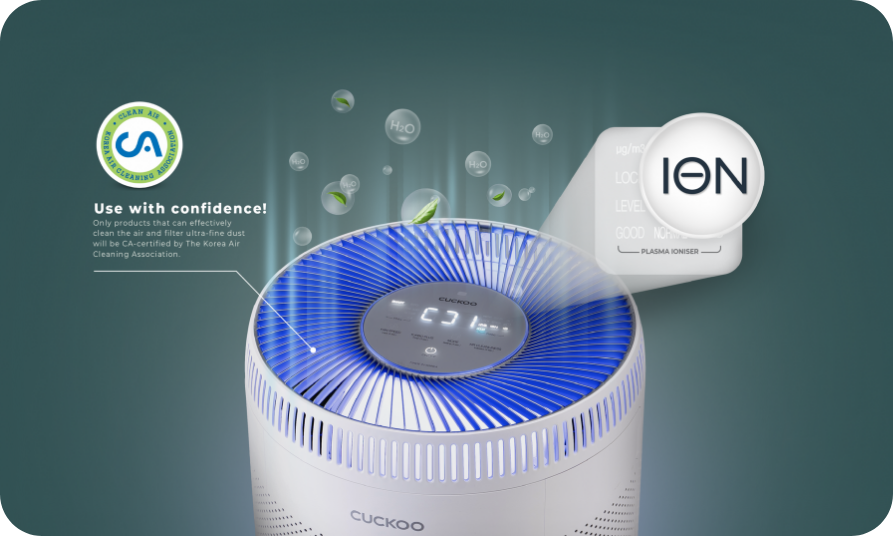
From long working hours at home to the increasing number of urban high-rise residents, these lifestyle changes heighten our exposure to indoor pollutants such as dust, allergens, bacteria, mould spores, and fine particles. This is why more Malaysians are turning to air purifier ionisers, ionic air purifiers, and hybrid purification systems that combine both filtration and ionisation technology to deliver cleaner, safer indoor air.
In this article, we break down everything you need to know, from how air ionisers operate to their benefits, drawbacks, popular types, and how they compare with traditional air purifiers, so you can make an informed decision for your home.